Hoovering
Hoovering
Just when you think you've moved on, they try to suck you back in
You finally did it. You stopped checking their Instagram. You stopped accidentally driving past their favorite coffee shop. You’ve had three consecutive days where you didn't wake up with that heavy, hollow ache in your chest. You’re starting to find you again. And then, like clockwork, the phone vibrates.
"I saw a cloud today that looked exactly like that dog you wanted. Hope you’re doing okay." Or perhaps it’s more dramatic. "I’m at the ER. I didn’t know who else to call." Or the classic, low-effort of, "Hey."
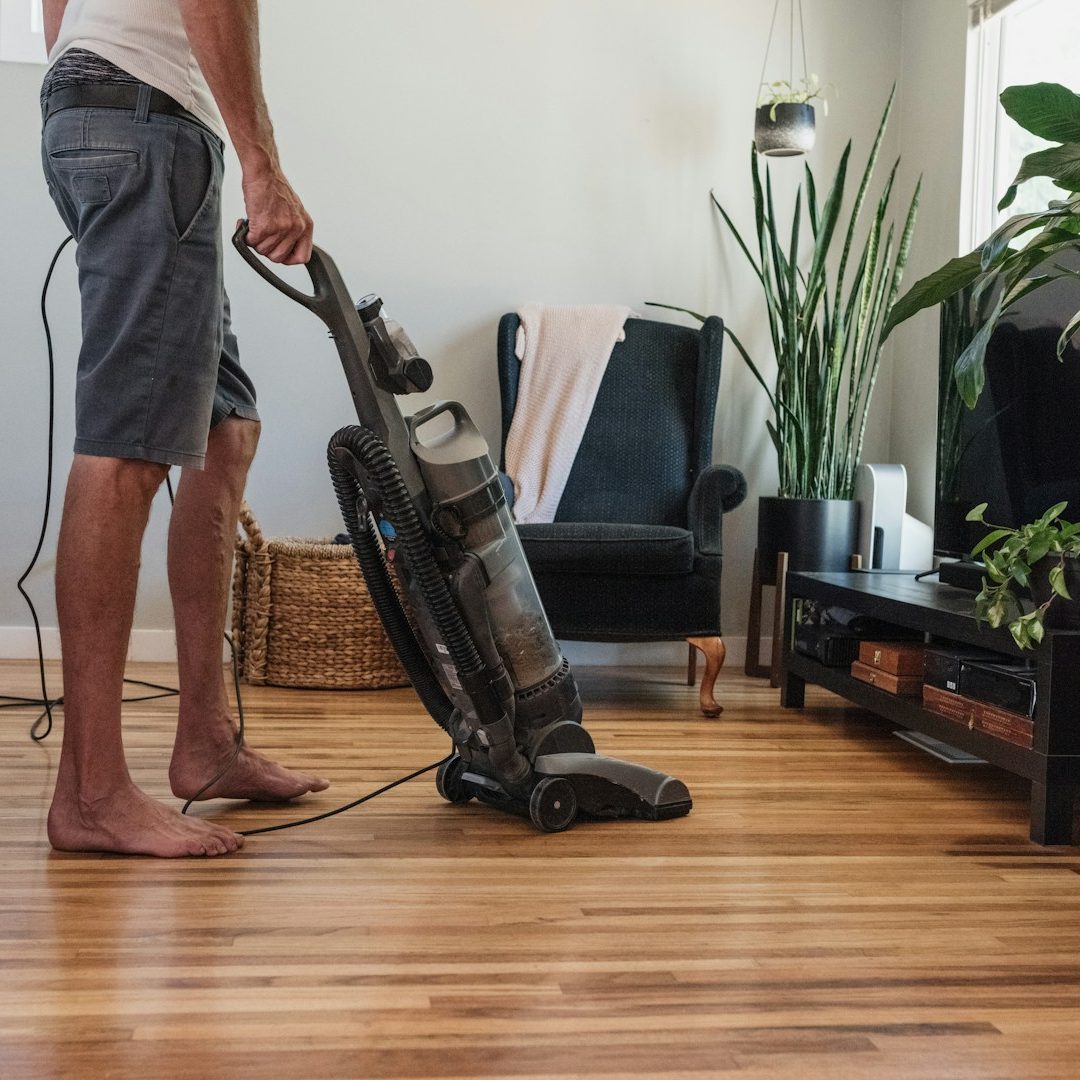
Welcome to the Hoover Maneuver. Named after the iconic vacuum cleaner, hoovering is a metaphorical term for the way a toxic or narcissistic person attempts to suck you back into the relationship's orbit just as you’re beginning to escape. If you’ve been through the ringer of breadcrumbing and ghostlighting, the hoover can feel like a breath of fresh air. You think, "They finally see my worth!" But as a counselor, I’m here to pull back the curtain. The hoover isn't about love. It’s about supply.
The Ego Check
To understand hoovering, you have to understand the narcissistic supply we talked about in my first article on narcissism. A person with high narcissistic traits views relationships as transactional. You are a source of validation, attention, or service. When you leave, or when they discard you, that source of supply is gone. Eventually, their tank runs low. Maybe their new partner isn't as empathetic (read: easy to manipulate) as you were. Maybe they’re bored. Maybe they’re feeling insecure.
They don’t reach out because they miss you. They reach out to see if the bridge is still standing. They want to know, "Do I still have power over this person? If I tug the string, will they still dance?" If you respond, their ego is instantly repaired. You have confirmed that they are still significant enough to disrupt your peace.
The Many Models of the Hoover
Hoovering is rarely as simple as an apology. In fact, a genuine "I’m sorry for the specific ways I hurt you" is almost non-existent in this dynamic. Instead, the hoover takes several strategic forms.
The most common is a low-risk check-in. They send a meme, a song, or a "thinking of you" text. It’s designed to look harmless so that if you react negatively, they can gaslight you saying something like, "Whoa, I was just being nice! Why are you so hostile?"
A second tactic is a false crisis. They have a flat tire, a health scare, or a family tragedy. They know your empathetic heart can’t ignore someone in pain. By playing the victim, they bypass your boundaries and force you into the rescuer role you played for so long.
The most dangerous hoover is a feigned realization. They claim to have found God, started therapy (for real this time), or had some miraculous epiphany and have finally realized everything. They promise the future you always wanted. (This is the "Future Faking" I discussed previously.) They give you just enough insight to make you think that maybe they’ve finally changed.
The last kind of hoovering is about plausible deniability. It’s the butt-dial. Or the "Oops, I sent that to the wrong person," text. Another one is the "I found your toothbrush and didn't know what you want me to do with it." These are calculated tactics to bait a conversation where a person uses ambiguous language or actions to convey a message while retaining a credible way to deny it later if challenged. If they really wanted to return your toothbrush, they would have mailed it or left it on the porch. The text is the point, not the toothbrush.
Why Hoovering Works
If you feel weak for wanting to respond to a hoover, please hear me. It’s biological. When you are in a relationship with a narcissist, your brain is conditioned by intermittent reinforcement and dopamine looping. This is the same process that keeps people addicted to slot machines. Most of the time, the machine gives you nothing (the breadcrumbing). But every once in a while, it hits the jackpot (the love bombing).
Your brain becomes addicted to the hit of dopamine that comes when they are finally being nice. When they hoover, your brain screams, "The jackpot is back! If we just play one more round, we might win!" This creates a Trauma Bond. You aren't weak-willed. You are biologically bonded to your captor. Breaking a hoover is less like a breakup and more like a detox.
How to Handle the Suck
So, the phone lit up. Your heart is racing. Your thumb is hovering over the keyboard. What do you do? If possible, the answer is No Contact. This isn't a game to make them miss you. It’s a safety measure to let your nervous system heal. Block the number. Block the email. If they can’t get the vacuum through the door, they can’t suck you back in.
If you feel an overwhelming urge to respond, tell yourself you will wait 24 hours. Usually, within that window, the initial dopamine spike fades, and your logic brain (the prefrontal cortex) comes back online. You’ll remember the ghostlighting. You’ll remember the tears. You’ll realize the cloud that looks like a dog isn't worth your sanity.
If you have to communicate (because of kids, work, legal issues, etc.), become a Gray Rock. Gray rocking means to be as boring, unreactive, and uninteresting as a drab pebble on the ground. Give short, one-word answers. Do not defend yourself. Do not share your feelings. If you give them no emotional supply, they will eventually go look for it elsewhere.
When they hoover, you’re usually remembering the highlight reel of the early days of love bombing. When the urge to respond hits, play the movie to the end. Remember the last time they came back. Remember how long the niceness lasted before the criticism and the coldness returned. It’s the same movie so don't expect a different ending.
If you’ve already responded to a hoover, stop beating yourself up. Recovery from a narcissistic relationship is a jagged line. Sometimes we take three steps forward and two steps back. The fact that they are hoovering is actually a sign of your progress because it means you were successfully pulling away, and they felt the shift in power. You are allowed to protect your peace. You are allowed to be un-hoover-able. You deserve a love that doesn't feel like a power struggle, and a partner who doesn't require you to keep your guard up 24/7.
If you’re tired of the back-and-forth and ready to stay out of the vacuum for good, let’s talk. Healing is possible, and you don’t have to do it alone.
Check out the other articles in this series:
Gera McGuire, MA, NCC, LMHC, is a specialized mental health counselor serving the Maple Valley and Enumclaw Plateau communities, as well as clients throughout Washington and Montana via telehealth. With advanced clinical training from the Center for Prolonged Grief at Columbia University, she provides evidence-based support for those navigating anxiety, depression, relationship challenges, and the complexities of 'stuck' grief after a loss.
Disclaimer: This article is for informational purposes only and not a substitute for therapy. It is not a guide to diagnose any mental health conditions.
If you are experiencing gaslighting, ghosting, ghostlighting, hoovering, breadcrumbing or trying to exit a toxic relationship, please contact me to set up an appointment.