Stress
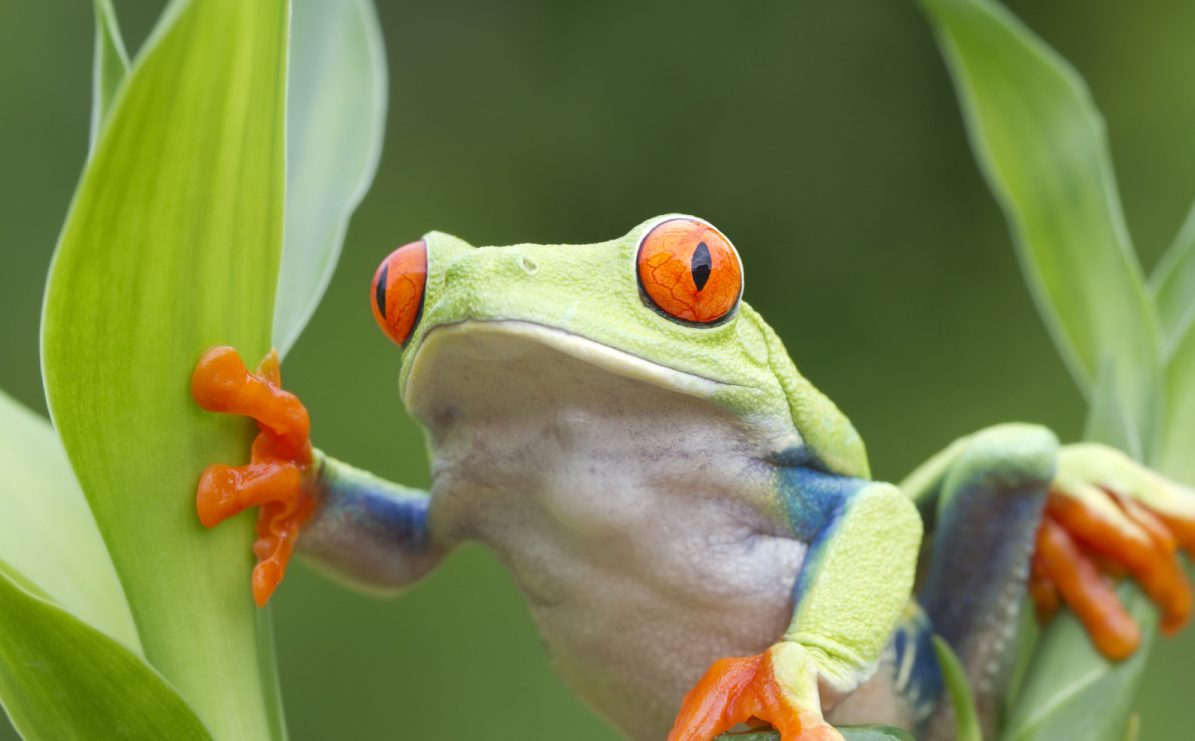
Stress
Unavoidable. Universal. May involve frogs.
An amazing phenomenon happened in Ocean Shores. A solar radiation storm created a spectacle in atypically clear skies of January 2026. Nestled just south of the Olympic Peninsula, with very little light pollution and out of tourist season, the location was a great place to watch for The Northern Lights. I happened to be there, with access to a skyful of stars and a clear line of sight up the Pacific coastline to the north. There was only one hitch:
My inner chicken took hold of me.
Alone and knowing that there were bears, cougars, coyotes and frogs in the area (I have this thing with frogs…), I was concerned about heading out to the beach by myself in the middle of the night. I knew if I didn’t go, I would regret it because all the conditions for viewing seemed to be stacked in favor of a great experience. After much hemming and hawing, I rallied. My moxie surfaced, took charge, and made it happen.
Summoning some courage, I bundled up, climbed up into my F-150, and headed for a not-so-populated area to gaze upward. My tires crunched the gravel as I pulled into a dirt roundabout at 1:45am. I cut off the engine at the head of the footpath. Silence. Not a single human soul was in sight. As I took the keys out of the ignition, the interior lights of the truck blinded me from what was outside. Stress began to mount, unable to see frogs or other creatures in such circumstances. (Did I mention that I have this weird fear of frogs?)
My heart raced. My breathing became shallow. I could feel the hairs rise on the back of my neck and my muscles tense. I started to shake from the inside. My body was going into fight or flight mode. Steeling myself, I paused for a minute to take some deep breaths to slow my heart rate. Then I disembarked my truck and headed up the path between the dense vegetation towards the ocean.
We’re Designed To Experience Stress
Is it crazy to think that stress can actually be good for you? It’s true. We are creatures designed to perform under stress and our bodies react in some very helpful ways.
Stress is our instinctual response to change and challenges. It gives us energy to rally and tackle the tasks at hand, keeping us alert and motivated to overcome. Think of a team getting excited before a big game, or preparing for a big presentation. Or a therapist in the wild, braving frogs to catch a glimpse of The Northern Lights. In a crisis situation, vision and hearing become more acute and bursts of energy can help move muscles to intervene just in the nick of time.
When people do not have enough of a recovery period after a stressful situation, stress can stack. An example might look like: getting up late then driving through crazy morning traffic to an intense job filled with lots of things to do. Then negotiating the hectic rush hour traffic coming home, when rushing is more 30 miles per hour than 70, making for a very long commute. Once home, you roll right into family obligations and before you go to bed you doom scroll about the craziness of the world. Calgon, take me away, right? Weekends might look like a billion things to do with only a thousand minutes to them in. When do you get to rest and unwind?
Stress is subjective. No judgement. We’re all different with a plethora of different factors that impact why situations and challenges for one person are perceived as less stressful than for another. For you, the thought of frogs may be pleasant. For me, it evokes an unexplainable fight or flight response. Why? Well, getting to the root of why things stress a person out is a great reason to start therapy. Trained mental health professionals can assist you to get down to the bottom of it and find a path to improvement.
Mindset Matters
During therapy, counselors work with clients to examine thought patterns that people have in response to life stressors. Feelings cannot be helped. They are an indicator of what we need. Thoughts may not always be accurate or helpful, however. Are there more adaptive ways of reframing situations? Are there insights that can be levied regarding the circumstances? Perhaps there are layers of fear, anger, guilt, or shame that need to be worked through? Therapy addresses the feelings and thoughts behind your stress and aims to discover healthier responses to stressors, such as frogs.
Stress Can Take A Toll On You
Obviously, yet sometimes we underestimate or habituate to the impact stress has. Here’s a list of ways that stress effects physical and emotional health:
- Fatigue, headache, body pains
- Stomach discomfort, ulcers
- Weakened immune system and inflammation
- High blood pressure, increased risk of heart attack and stroke
- Sleep disturbance
- Rashes, hives, shakiness
- Brain fog, forgetfulness, irritability
Coping With Stress
Stress can contribute to unhealthy coping strategies, such as:
- Overeating and becoming overweight
- Smoking
- Drug and alcohol use
- Prescription and OTC drug abuse
- Decreased physical activity
- Self-destructive behaviors
In therapy, we examine the adaptive and maladaptive ways stress manifests in a person’s life and impediments to making those happen. Working together, client and therapist design new ways to effectively cope with stress that are more productive and life affirming. Then the magic happens when the client implements a new, healthier response to manage their stress.
Chronic Stress
When symptoms persist for weeks, months or longer, stress may be chronic. Perhaps situations are long term or in a state of unresolved, resulting in ongoing or stacking demands that put a person on edge.
Chronic stress certainly can taint a person’s outlook which impacts the way they look at life, society and their future. Unrelenting stress can push the nervous system into a state of unrelieved fight or flight mode which has a plethora of unwanted health impacts. Untreated, chronic stress is linked out to burnout, life dissatisfaction, and pessimism.
Toxic Positivity
I’ve never felt it helpful to try to convince a person out of their perceived stress. They feel how they feel, and it is valid. “Cheer up, things will improve.” “At least you’re not dealing with ___.” “Look at the good things in your life.” Not so helpful.
Sometimes those responses only invalidate a person’s experience and push them into a corner of shame, feeling weak or bad that they have their feelings. Toxic positivity is an attempt to deny or minimize a person’s struggle or discontent by denying authentic feelings. It’s an attempt to override a genuine experience by forcing a positive attitude.
In therapy, you can express your feelings to a nonjudgmental third party who won’t ask you to bake a sunshine cake. Authenticity is the name of the game.
When Life Gives You Frogs, Call a Therapist
Life is difficult, to say the least. Some matters we come up against have no solution. Others feel impossible, impassable, relentless. Tunnel vision straps on unhelpful goggles.
We don’t get to choose how we feel about the stress in our lives. We can, however, reframe our thinking and make different choices about how we respond to it. If you or someone you care about is up to their eyeballs in stress (or frogs), please reach out and we’ll find a time to meet.
Disclaimer: This article is intended for informational purposes only and is not a substitute for therapy. If you are burdened with stress, please call a qualified mental health therapist to help you. If you have a fear of frogs, I'm sorry but I cannot help you.