Relational Growth in Prolonged Grief Disorder
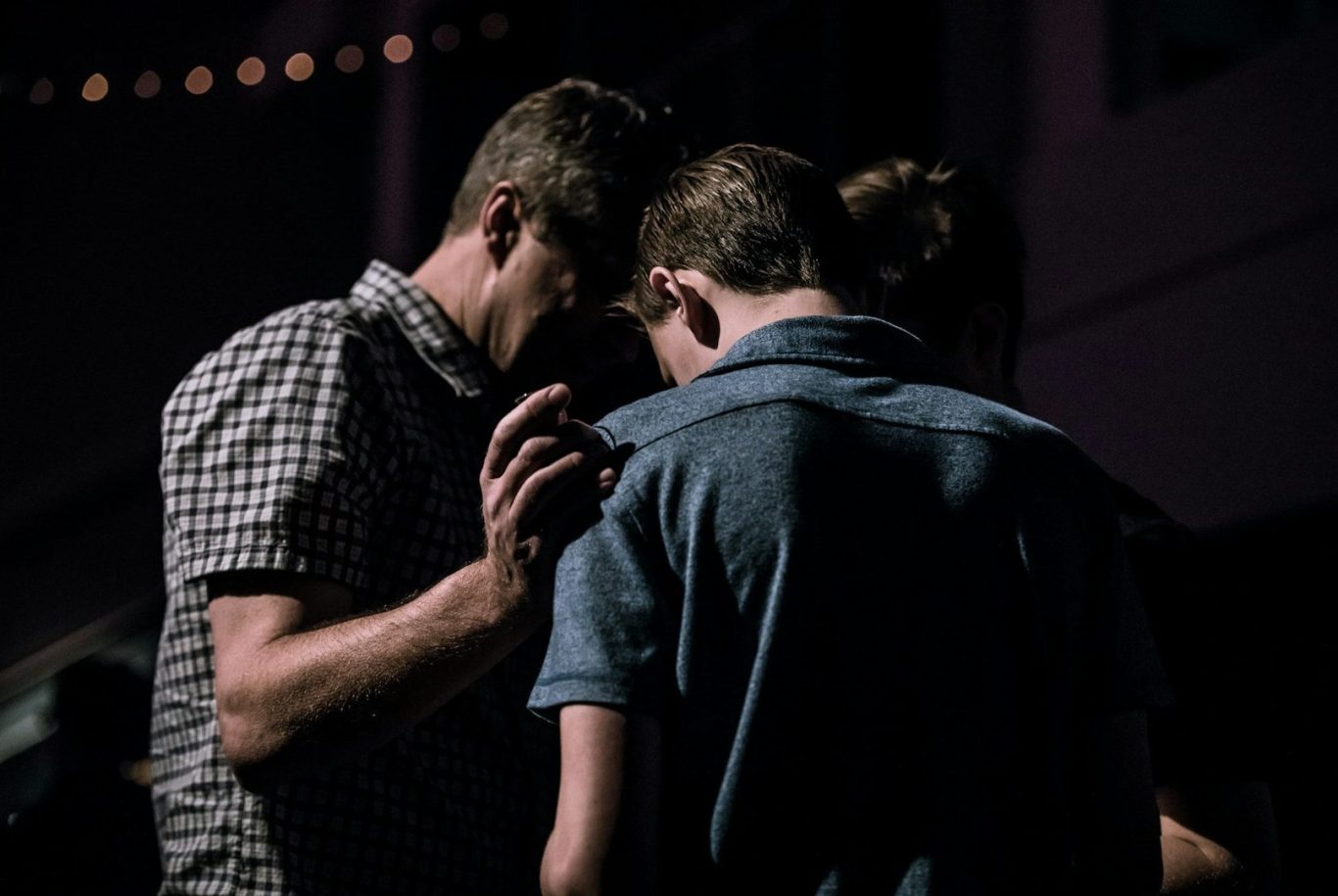
Relational Growth
There's a depth of relationships that is enhanced due to PGD
The journey through Prolonged Grief Disorder (PGD) can be described as a solitary walk through a dense and unending forest where the light of the sun rarely touches the ground. For those within the community of people experiencing PGD, this journey is not merely a temporary detour. It’s a fundamental shift into a new world. The typical timeline of mourning seems to have dissolved, leaving the individual in a place where the loss remains as vivid and as heavy as the day it first occurred.
Within this enduring shadow, a phenomenon known as post traumatic growth begins to take root, specifically within the realm of human connection. This growth is not a replacement for the pain, nor is it a sign that the loss has been forgotten. Instead, it is a transformation of the way a person interacts with the world and with those who inhabit it. The ripple effect of grief is a deep internal ache moving outward, altering the shape of every friendship, every familial bond, and every casual encounter. It is a shattering and a rebuilding that eventually leads to a more profound and authentic way of relating to others.
At the very beginning of this process, the weight of the loss is all consuming. When a person is anchored in the depths of PGD, their capacity for the trivialities of daily social life undergoes a radical change. In the period before the loss, it might have been easy to engage in polite conversation about the weather or the latest trends. After a profound loss, however, these interactions often feel like a burden that’s too heavy to carry. There’s a sense of exhaustion that comes from trying to match the energy of a world that has moved on while your own world remains frozen.
This exhaustion serves a purpose in the context of growth because it forces a refinement of the social circle, a natural filter that separates those who can sit in the silence of another person’s pain from those who require a performance of normalcy. This can be a painful stage because it often results in the fading away of certain friendships. Yet, this pruning is essential. It creates space for a different kind of relationship to emerge, one that is built on the bedrock of truth rather than the shifting sands of social expectation.
As the superficial layers of social interaction fall away, a new kind of honesty begins to take their place. For the person suffering from PGD, the energy required to maintain a mask is simply not available. This lack of energy leads to a state of forced authenticity. While it may feel like a weakness at first, it’s actually the beginning of a powerful relational shift. When a person is unable to pretend that they are fine, they give others permission to be real as well.
When this happens, the people around them often feel a strange sense of relief. In a world that prizes positivity and constant progress, the presence of someone who is authentically grieving can be a grounding force. It challenges the people in their life to evaluate their own lives and their own relationships. This authenticity becomes a magnet for those who also crave depth and truth, leading to a new social system where the bonds are stronger because they have been tested by the reality of suffering.
One of the most striking aspects of growth following trauma is the development of a heightened sense for the suffering of others. Before a person has known the kind of depth found in PGD, they may look at the world through a lens of general sympathy. They see the pain of others and feel a sense of pity or a desire to help. But after surviving the unthinkable, that sympathy matures into radical empathy. It is a recognition of the soul that occurs without words. When you have walked through the fire, you can sense the hidden burdens of others with startling clarity.
This newfound ability to recognize the invisible wounds of strangers or acquaintances changes the nature of one’s interactions. It moves the focus away from the self and toward a shared human experience of vulnerability. A person may find themselves feeling a sudden and intense connection to a coworker who is going through a difficult life transition or a neighbor who is facing a health crisis. This is not because their own grief has diminished, but because their grief has expanded their capacity to hold the pain of others. They become a witness to the pain of the world, and in doing so, they find a new way to belong to the human family.
This radical empathy also transforms the internal dynamics of a family. In the wake of a profound loss, families often struggle with how to communicate. Some members may want to talk about the person who is gone while others may want to move forward in silence. This tension can be a source of great conflict. However, as individuals within the family begin to experience post traumatic growth, the way they relate to each other can shift from competition for whose grief is greater to a collaborative effort of mutual support. The growth that occurs here is one of patience and nonjudgmental presence. They learn to allow each other the space to be broken in different ways and at different times. This leads to a family culture where vulnerability is seen as a strength and where the legacy of the lost loved one becomes the glue that holds them together in a deeper, more intentional way.
The nature of intimacy is also fundamentally altered by the experience of enduring grief. In many relationships, there is a tendency to keep the most difficult parts of the self hidden away. There is a fear that being too sad or too broken will drive others away. However, for the person struggling with PGD, the brokenness is no longer a secret that can be kept. It is a constant companion. When this reality is shared openly with a partner or a close friend, it can lead to a level of intimacy that was previously unreachable.
This is the power of shared vulnerability. When the mask is gone, the connection that remains is based on the totality of the person rather than a curated version of themselves. This shift requires immense courage. It involves the risk of being seen in a state of total devastation. But for those who find companions willing to bear witness to that state, the resulting bond is often the most resilient and meaningful one of their lives. It is a relationship where words are less important than presence and where the shared history of surviving the storm creates a unique and unbreakable language.
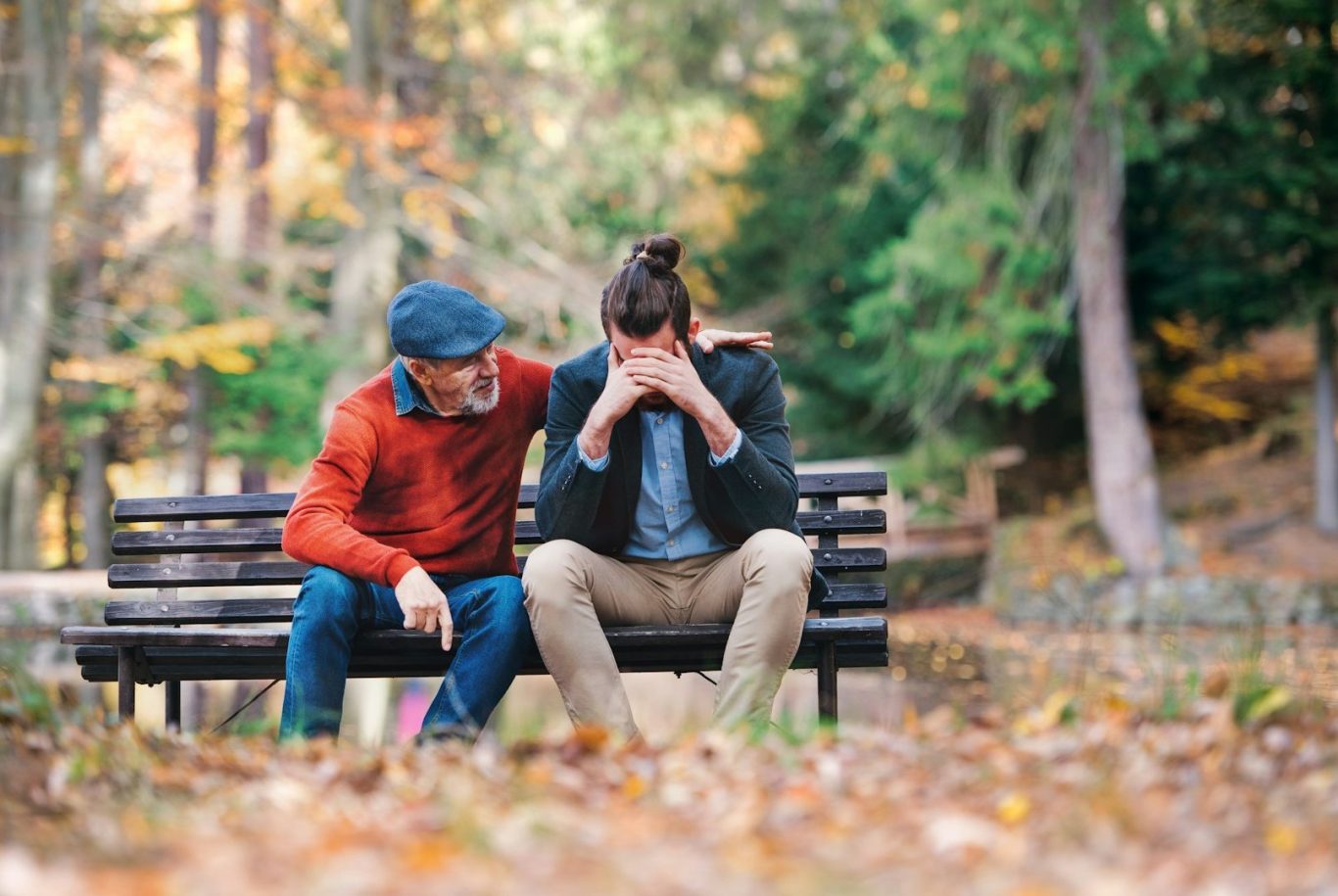
Post traumatic growth often involves the discovery of new possibilities in the realm of community and service. Many individuals who have navigated the long dark night of prolonged grief eventually find themselves drawn to helping others who are in similar positions. This is not a way of distracting themselves from their own pain but rather a way of transforming that pain into a useful tool. When a person uses their experience to guide another, they are engaging in a form of relational growth that has a massive ripple effect. They are creating a network of support that is informed by the reality of suffering.
This might look like volunteering for a support group, advocating for better mental health resources, or simply being the one person in a social circle who is not afraid to talk about death and loss. By doing this, they are changing the cultural conversation around grief. They are helping to build a society that is more compassionate and more capable of holding space for those who are suffering.
The shift in perspective that comes with this growth also affects how a person views the concept of time and presence in their relationships. When you have experienced the sudden or profound loss of someone central to your life, you become acutely aware of the fragility of existence. This awareness can lead to a much deeper appreciation for the people who are still here. It removes the tendency to take loved ones for granted. A simple dinner with a friend or a quiet evening with a child takes on a new level of significance.
The person experiencing growth finds that they are more present in these moments because they know exactly how precious they are. This heightened presence is a gift to everyone they encounter. It makes their relationships more vibrant and more meaningful. It is as if the loss has cleared away the fog of distraction, allowing them to see the beauty of human connection with a clarity that they never had before.
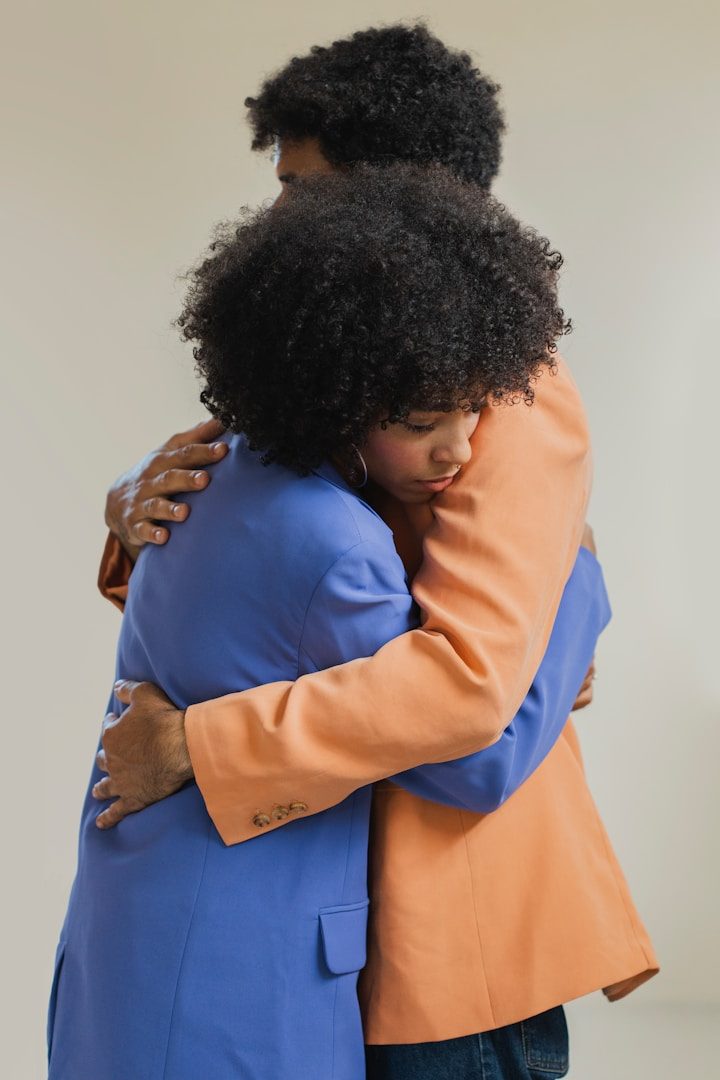
It is important to acknowledge that this growth does not happen quickly, and for many in the prolonged grief community, it may feel out of reach for a long time. The process of post traumatic growth is not a linear path that moves steadily upward. It is more like a tide that comes in and goes out. There will be days when the isolation feels as heavy as it did on day one. There will be moments when the social world feels entirely alien and exhausting. But even in those difficult times, the internal changes are still occurring. The mind is slowly reconfiguring itself to accommodate the new reality. The growth is happening in silent moments of reflection and in small acts of courage required to reach out to another person. It eventually reveals itself in the way a person carries themselves in the world.
One of the most profound ways that grief transforms relationships is through the integration of the lost loved one into current interactions. This is the concept of a continuing bond. Post traumatic growth allows a person to move from a state of searching for the deceased to a state of carrying them within. This internal presence changes how they interact with others. They might find themselves using the wisdom they learned from the person they lost to help a friend. They might adopt the kindness or the humor of the deceased in their daily life. In this way, the person who is gone continues to have an impact on the world through the relationships of the survivor. This is the ultimate ripple effect. It is a way of ensuring that the love that was shared is never truly lost but is instead multiplied and passed on. It turns the grief into a legacy of connection that benefits everyone the survivor meets.
The relational shifts in PGD are among the most significant aspects of the healing journey. While the loss of a primary relationship is a devastating blow, the subsequent growth in other relationships provides a new kind of foundation for the future. It is a foundation built on empathy, authenticity, vulnerability, and presence. It is a reminder that we are not meant to carry our burdens alone and that our pain can actually be the very thing that brings us closer to others. The growth that occurs is not a sign that the individual has moved on from their grief but rather that they have expanded their life to include it. They have become larger than their loss, and in that expansion, they have found new ways to love and be loved.
In counseling, the goal is to gently highlight these subtle shifts as they occur and help the individual to see the ways in which they are already growing, even when they feel stagnant. It is about validating the pain of the lost relationships while also celebrating the depth of the new ones. The journey is not just about what they have lost, but also about who they are becoming - pioneers of a more compassionate way of living. They are showing the world that it is possible to be deeply wounded and still be a source of light and connection for others.
The transformation of relationships after a profound loss is a testament to the enduring power of the human spirit. It is a journey from the isolation of a shattered world to the solidarity of a shared human experience. The ripple effect of grief moves outward, turning a personal tragedy into a catalyst for deeper empathy and more authentic connection. For those who are currently in the midst of PGD, this growth may be hard to see, but I promise you. It is happening. Every time you’re honest about your pain, every time you sit with someone else in theirs, and every time you choose to be present despite your heartache, you are growing. You are building a new life that is as rich and as deep as the love you lost. This is the way we heal. Not by leaving our grief behind, but by allowing it to change us into people who can love more deeply than we ever thought possible.
Gera McGuire, MA, NCC, LMHC, is a specialized mental health counselor serving the Maple Valley and Enumclaw Plateau communities, as well as clients throughout Washington and Montana via telehealth. With advanced clinical training from the Center for Prolonged Grief at Columbia University, she provides evidence-based support for those navigating anxiety, depression, relationship challenges, and the complexities of 'stuck' grief after a loss.
Disclaimer: This article is for informational purposes only and not a substitute for therapy. It is not a guide to diagnose any mental health conditions.
If you or someone you know is experiencing symptoms of depression, anxiety, PGD, PTSD or any other concerning mental health symptoms, please contact Gera to set up an appointment.