Loss of the Future
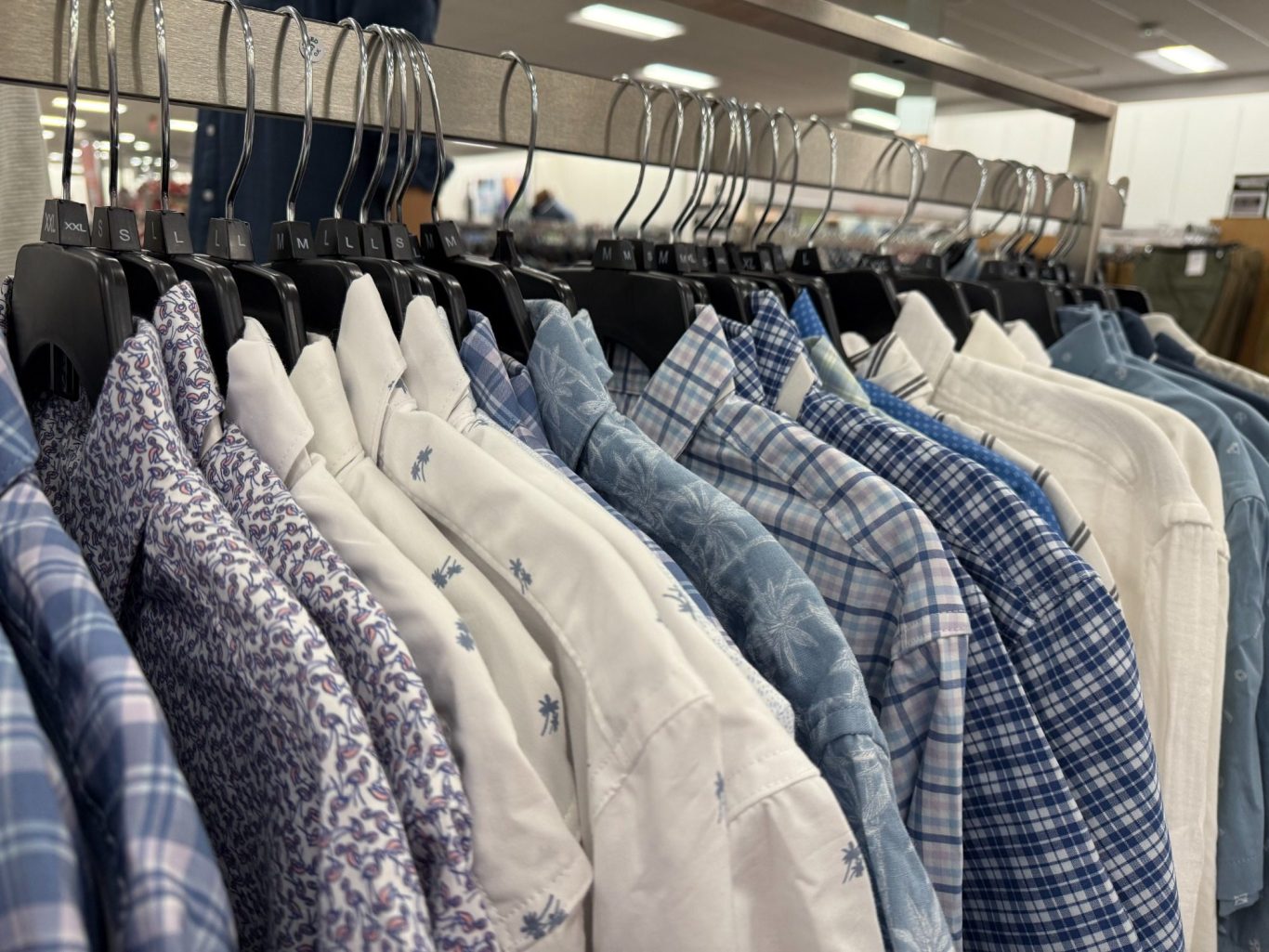
I really miss shopping for my late husband's clothes.
Loss of the Future
Grieving the loss of that which will never happen
It was a lovely day. The kids were semi-tired from running around the Monterey Bay Aquarium. We took a drive down to a beautiful beach in Carmel-By-The-Sea to let them run wild a little while longer, strategically so that they’d fall asleep and we’d have a few hours of quiet during the ride home. With four little girls under the age of 8, we never had any time to ourselves so beach time meant “us time” would soon come.
It was the golden hour when the approaching sunset casts everything in beautiful, peaceful hues. Bob had his arm around me as we walked towards the water. Life was so damn fulfilling. We were best friends. We were proud of one another, proud to be one another’s partner in life. Bob and I had a wonderful challenge before us, raising adopted children and hoped to add two more to the craziness. His job was on the verge of accelerating into bigger and better opportunities which meant we could move into a bigger home in a nicer area and have more money for some breathing space. Everything was going so well and, as visionaries, we could easily see things lining up.
Bob and I stopped at the water’s edge and talked about retirement near Carmel. I loved the ocean and he loved golfing. Pebble Beach was a stone’s throw away. We wouldn’t be able to afford living in Carmel, but we would surely be satisfied with a modest home within an hour’s drive. It was settled. That was our retirement goal: retiring on the central California Coast.
Dreams extended into another chapter of life yet to be lived. Happy fantasies about evening strolls on the beach were nice to fall asleep to. It was realistic and warm and felt like a wonderful reward to look forward to after a lot of hard work. Every day was a blessing being half of Bob-and-Gera.
When Bob died, my future died, too. He was 44 and I was 39.
What Dreams May Never Come
Dreams, milestones, shared experiences – none of these will ever happen. My daughters felt his absence at their high school graduations and weddings. Bob never stepped foot in my private practice or turned the key to the door in the new house. I will never be able to say I celebrated 25 years of marriage with him (or anyone). There will be no little house on the central California Coast for me.
Parents who have lost children mourn the futures they cannot have with their children. A former client of mine celebrated his late child’s birthday every year to honor them and allowed himself time to feel the grief for the loss of his son’s future on that day. As time went on, inevitably he saw his son’s peers experience moments such as graduations, first homes, having children. All of these were painful reminders of a future he so desperately wanted to experience with his own son, but one that would never occur.
In 1958, researcher Ronald Knapp and others introduced the term "Shadow Grief" to describe the specific, long-term ache experienced by parents who lose a child. It is a grief that never fully disappears but lingers in the background, specifically triggered by the milestones the child should have reached, essentially mourning their missing future. It is a never-ending burn.
Radical Acceptance and Grief
Survivors of loss must come to terms with the fact that the version of life prior to their loved one’s death no longer exists. This is a bitter pill to swallow. There’s no switch to flip to make this acceptance happen. It’s not about minimizing loss or diminishing the value of someone’s life. It’s about coming to an acquiescence of reality. A important step towards healing is the radical acceptance of a shadow future. Phenomenological, as a person processes loss, this acceptance eventually happens.
Radical acceptance is a willingness to sit with and make space for the most painful things in life without trying to change them in that moment. We don’t have to be ok with the painful things, or try to get over them, or be resigned to them. It’s willingly acknowledging that everything happened for a reason and although we may never understand why or like it, it’s just the way things happened. Pain is inevitable. But suffering is the struggle we add to our pain by not accepting reality.
Negotiating The New Normal
For the record, I really hate that term: “new normal.” There’s nothing normal about a life without a cherished loved one. Life is now new, but the old one was preferred. Eventually – maybe kicking and screaming - we settle into the new normal’s different cadence. It takes quite a while to do.
Clients work with me to honor both the grief of the pre-loss life and making meaning with the current “new normal.” People need to both process the emotions regarding their loss and also continue to adapt to a new version of life. There continues to be meaning to life but sometimes it’s really difficult to find. Eventually, however, you will.
It’s not about letting go of your grief. It’s about bringing that person forward with you as you figure out how to go on breathing and living without them.
Life can continue to have meaning even after our loved ones have gone on. You don’t have to trade in your grief for this to happen. (Spoiler alert: we can’t control whether or not we feel grief. Grief happens.) Over time you learn how to hold grief as you walk forward in your life, choosing to simultaneously live fully. This means experiencing all of the emotions – the grief and sorrow, as well as the joy and hope.
How? One day at a time. Sometimes, one breath at a time.
If you or a loved one is having difficulty negotiating a “new normal,” please reach out and we’ll find a time to meet. Adjustment to life post loss is not easy and is an ongoing process. Grief doesn’t go away, but it does change over time. Working with a therapist trained in Prolonged Grief Disorder can be very helpful.
Disclaimer: This article is for informational purposes only and not a substitute for therapy. Please contact me or a qualified mental health professional who is trained in the treatment of Prolonged Grief Disorder.