What About Me? Self-Care During Grief
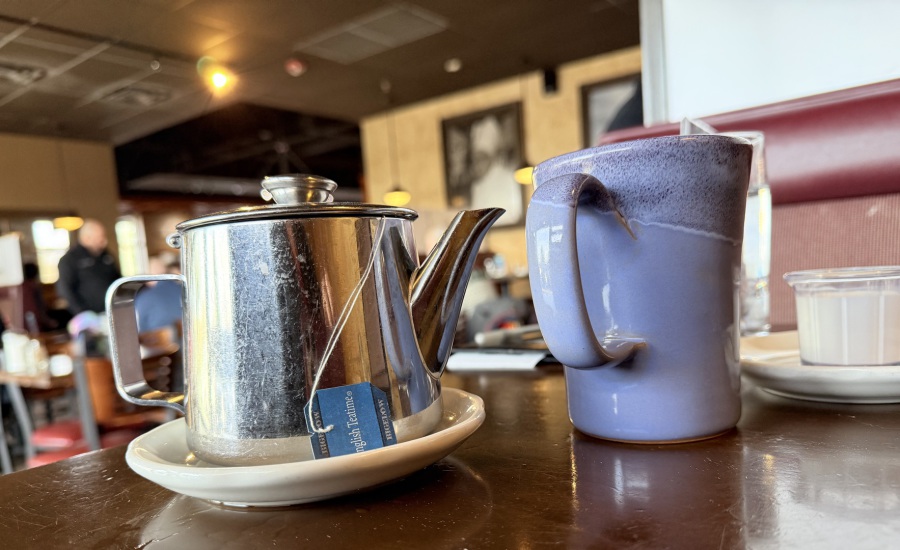
“What is one small thing that you can do for yourself?” my counselor asked me one day, about 8 months into my young widowhood.
I was forty years old, a stay-at-home mother of four young, adopted daughters with special needs, and I was trying to negotiate a move two states away. My hair was falling out. My health was poor. Emotions other than pain, fear, and sorrow eluded me. The only adult in the home, there was never down time, so sleep occurred opportunistically and when it happened, it was never replenishing. My Mama Bear instinct was stuck on high alert mode, understandably. Chronic fatigue with narcolepsy took hold and my body was shutting down at a time when I needed it most. My therapist plainly saw that I needed to exercise self-care. It was as vital for me as oxygen.
“What is one small thing that I can do for myself?” I asked back, perplexed.
“Yes. Something that gives you a break.”
I couldn't think of anything. I explained the logistics, the finances, my reality. No one was around on a consistent basis who could give me a break. I was starting a widowed-life-ultramarathon fatigued. My two oldest daughters attended elementary school, alleviating a bit of the pressure, but the younger two were toddlers, aged 2 and almost 4. No relief duty rotated in. It was me – 24/7/365.
Her eyes set a bit deeper inward, pausing, realizing the gravity of my situation. Onward, she pushed. “Is there anything that brings you joy?”
My emotional repertoire was devoid of those lighter emotions, so nothing was coming to mind. I could not relate to feelings of joy, or happiness or peace anymore. It was so awful that I begged God for “numb.” Food didn’t taste good. Warmth didn’t soothe. One thing, however, was a close approximation to something I gravitated towards.
“Hot tea. Black tea with sugar and cream. That’s something I look forward to.” That’s as close as I could get.
“That’s it,” she called a bullseye. “Every day, I want you to find five mindful minutes to drink your tea slowly and savor it. Surely you can find five minutes.”
The truth was, I couldn’t. My toddlers were so emotionally dysregulated that they weren’t napping anymore. They wouldn't let me out of their sight. I didn’t even have five minutes to myself. I didn’t even have the luxury of going to the bathroom without an entourage. Sleeping occurred in a family dogpile. But some gulps of tea I could probably sneak in, mindfully consumed, I said. So we started from there.
I started with tea.
Start With Something Small
Genuinely, I understand that the ripple effects of life after loss may not afford you with much time or energy. It might take you everything just to get out of bed and manage to slop some food in your mouth. I can recall the act of swallowing food as toilsome. So start wtih water.
If you have to work? Dear Lord, it’s rough. During the deep grieving swells, our minds do not afford us the ability to compartmentalize our emotions and ruminations very well. They demand our attention, which is important to the process of “going through” grief. Our inner workings are trying to figure out and make sense of the profound loss, to deal with logistics, to survive. All of this takes an extraordinary amount of energy. So start with breathing.
Self-care must be prioritized. No one can take care of you but you. Start with something small.
It was difficult for me to divert my thin resources to myself during the first few years of my grief. It felt selfish because so much was needed from me - a continuous Niagara Falls cascade of to-do’s for my children and to keep our household operational. Over time, I learned through experience, that taking care of me wasn’t selfish. It was necessary. You cannot draw water from a dry well, especially (ironically) with the thunderous waterfall of grief and its fallout that’s waterboarding you.
Take Care of That Amazing Person - You
The reality is that no one knows what you need but yourself. No one can feel your fatigue or your hunger, your pain or your sorrow. No one is internally privy to what it feels like to lack bandwidth to cope with life. Your grief, your body, your psyche – all those are unique to you. When you were born, you were given the sole responsibility to care for a precious soul, to nurture them and care for them, to make sure they get through this life as best as they can. That precious person is yourself.
This life is yours to care for: self-care.
When considering wellness, look at these 8 aspects of your life. Does anything need attending?
Emotional
Spiritual
Intellectual
Physical
Environmental
Financial
Occupational
Social
Self-Care Looks Like
Here’s a list that I’ve come up with to support you in focusing on some key areas that deserve some nurturing.
Spending quality time with people who value you.
Setting boundaries with those who don’t.
Exercising, even if it’s a short walk. Start where you are.
Using expressive outlets for emotions – art, music, movement.
Practicing breath work.
Immersing yourself in the outdoors. A vast amount of healing can occur through nature.
Drinking water. Eating healthy, nutritious foods.
Prioritizing adequate, replenishing sleep.
Keeping up with health care and getting regular massages. Grief manifests everywhere.
Resetting your nervous system at least one time a day.
Unplugging from media of all kinds. Fasting from extraneous inputs, information.
Learning to sit with quiet, to sit with emotion, to meditate.
Graciously giving yourself time away from others, to hear yourself think.
Petting a dog or a cat.
Freeing your heart with unbridled prayer.
Hurling your primal scream out to the ocean, the forest, the river, the universe.
Allowing yourself to feel your feelings without judgment.
Allowing yourself to prioritize you.
Give yourself lots of grace. Grief is rough, even for the toughest.
Remember: you are not alone.
Disclaimer: This article is not intended as a substitute for therapy. It’s for informational purposes only. If you are struggling with integrating self-care into your life, finding a good therapist who is trauma informed can be a helpful way to learn this critical life skill.
 Print
Print 