Holding Space
Holding Space
Just show up
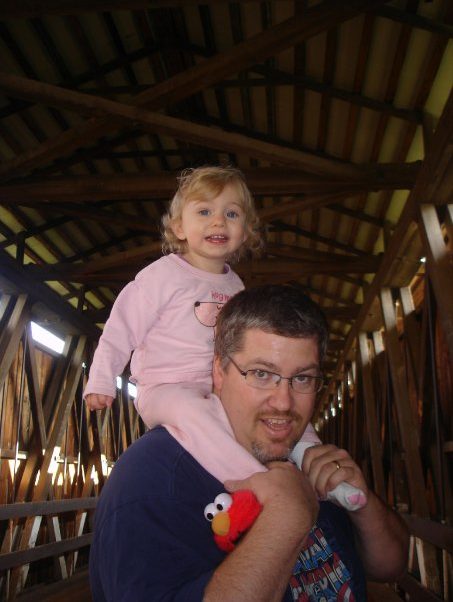
There was a time when I was a Facebooker. For me it provided some social connection because I moved to the other side of the country. When I became a young widow at 39, I felt very isolated from my friends and family back East. Statistics say that only 5% of widows are younger than 40 years old. No one I knew could relate to my situation. One day, about six months into my grief journey, I posted a picture of my late husband with our youngest daughter riding on his shoulders. Although it evoked some painful emotions, overall, it gave me comfort.
Soon after, a friend messaged me: “You need to take that picture of Bob down. It’s time for you to move on with your life.” She was uncomfortable with how grief was manifesting for me and judged the way I was handling my experience. I don’t think she was able to sit with me in my pain because it was uncomfortable for her. She lacked the capacity to hold space for me.
Holding space for someone with grief, traumatic loss, or prolonged grief disorder (PGD) means providing a safe, non-judgmental, and compassionate container for them to process their pain without attempting to fix them. It is being fully present with their intense, lingering pain and helping them feel heard, validated, and less isolated.
Key Aspects of Holding Space for Prolonged Grief
My oldest sister was my stalwart companion through my experience. Without her, I’m not sure I would have been able to adjust to the unexpected loss of my husband and what that meant for myself and my children. Here’s how she showed up for me.
My sister gave me her undivided attention. She didn’t interrupt me or make me feel that I had to move on in my journey. She stayed engaged in the conversation, despite my tears or rehashing details that I’m sure she heard me say a thousand times before. She didn’t tell me how to cope with my grief or try to fix me. Instead she was a witness because the reality is, although she so desperately wanted to, she could not take away my pain. What she could do, she did: she never (emotionally) left my side.
When you experience long-term grief, you think you’ve lost your mind. I felt so broken and lost, unrecognizable to myself. My sister validated that my pain was very real. My anger and fear were real. This acknowledgement helped me steer clear of self-shaming and gave me room to be in a space where I could sit with my feelings – a very uncomfortable yet very necessary place to be.
When people experience loss, traumatic loss, or PGD, healing takes time. Grief changes but it never ends. By allowing a person to grieve at their own pace instead of imposing expectations of a timeline, this respect gives the survivor emotional sovereignty over their experience. “You can call me anytime,” she reiterated. Any time I did, she would find time to talk with me and let me be in the messy headspace I was in. Allowing grievers to fall apart without fear of shame or being too much is the substrate needed for deep healing.
Other Ingredients to Holding Space
- Use open-ended questions. Instead of asking "Are you okay?" ask "How are you holding up today?"
- Give space and learn how to sit in silence. Sitting with them in silence is sometimes more powerful than trying to find the right words. Sometimes there are no right words to find.
- Be patient with repetition. People with prolonged grief need to tell their story over and over to process it.
- Offer practical support. Instead of "Let me know if you need anything," offer specific help, such as cooking, cleaning, or running errands. It’s ok to bring food or comfort items without being asked.
- Respect boundaries. Be mindful of their comfort levels, as they may not want company at all times.
- Support professional help. Gently encourage them to seek professional treatment if the grief is causing substantial functional impairment.
- Find support for yourself, too. Grief is exhausting.
- Avoid using platitudes. Never say things like "They're in a better place," "Everything happens for a reason," or "Time heals all wounds."
- Don’t compare their loss to your own experiences. Your role is to be a listener.
- Understand that anger or sadness expressed during this time is about their pain, not you. So don’t take it personally.
For people experiencing prolonged grief, the support of holding space helps a person feel less isolated and provides a safe dynamic for them to eventually begin to navigate their new reality. Holding space includes holding space for silence. It is not holding space for them to change. It is holding space for them to be. This is vital to the healing journey.
Disclaimer: This article is for informational purposes only and not a substitute for therapy. If you are someone struggling with grief, traumatic loss or Prolonged Grief Disorder, or if you are a person who is supporting someone with their loss, please reach out for support for yourself, too.