Grief Shakes The Tree
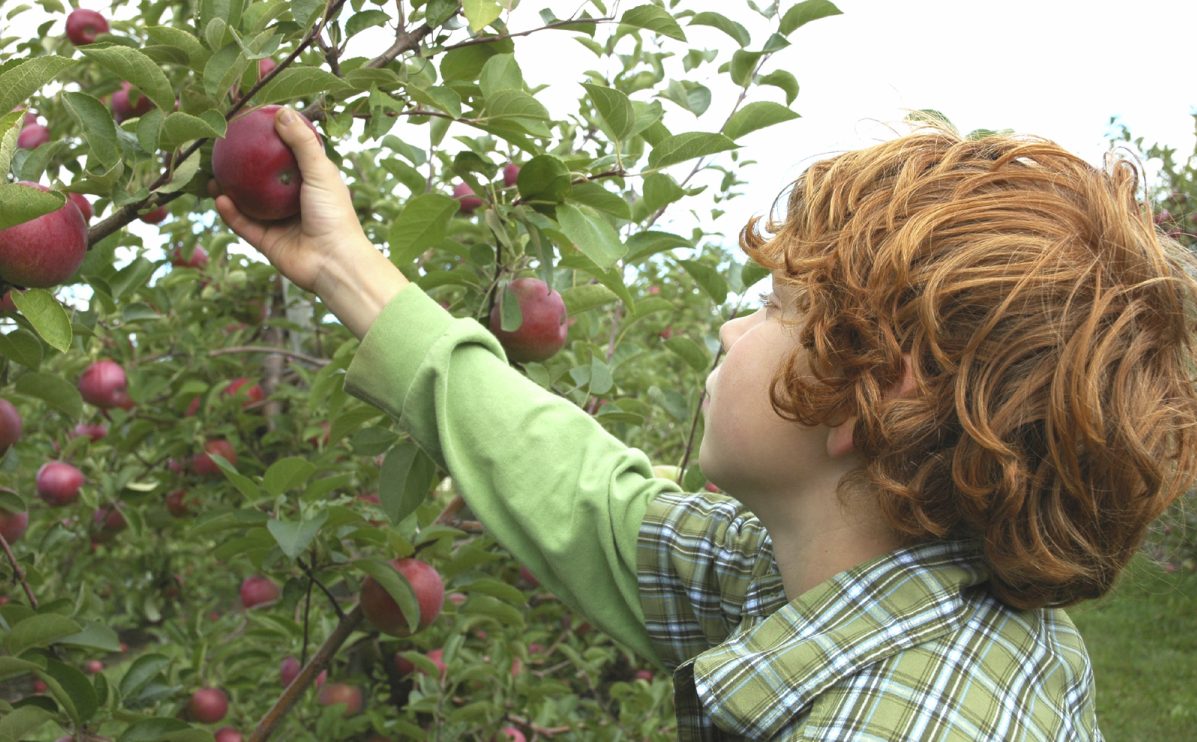
Grief Shakes The Tree
Who remains and who leaves after the loss of a loved one
Costco rotisserie chickens, freezer ready casseroles, and cases of water filled my kitchen for weeks after my late husband Bob unexpectedly passed away. The outpouring of support was overwhelming in the best way possible. I felt completely surrounded by love. People both near and far showed up to lend a hand, lavish with warms hugs, and provide sincere words of condolence. During those dark days, my family was deeply blessed.
As the months went on, the sense of urgency and the intensity of emotion about the loss of my husband dwindled for most people, as per expected. What once was a blast from a fire hose turned into a trickle of support. However, those closest to me stayed consistently connected. Check ins, texts, and phone calls from friends and family buoyed me up when I felt like I was drowning. I noticed however that, while many people around me went back to living their normal lives, I began to feel increasingly disconnected.
No One Feels It Quite Like You Do
It's surreal when your world is completely thrown off its axis, to find yourself sitting atop a pile of rubble of what was your former life. No one else is impacted in the same fundamental ways, socially, emotionally, logistically. The contrast between their lives and yours is painfully stark.
I vividly remember standing in line at Target, pausing to watch all the happy families shopping together, unaffected by the terror that I had experienced in my life. They were buying suntan lotion and water toys, laughing with kids who were begging for candy in the checkout aisle while I was shopping for outfits for my girls to wear to their father’s funeral. It felt as though I was walking in an out of synch cadence with the world around me, viewing the world from a parallel dimension behind a veil of opaque gauze.
As some people who knew of my loss drifted away, I came to understand that many simply could not relate to my experience. When Bob died, I knew no other young widows; I was 39 at the time of his unexpected death. Few people had even lost a parent or sibling, let alone a spouse. It was understandable that they couldn’t grasp how isolating months three and beyond were for a widow. They had no frame of reference and didn’t understand how I could have benefitted from the connection.
Not As Close As I Thought You Were
Other people, I learned, were not as attached to my girls and I as I had believed. Two people I considered friends independently asked me how I was doing. When I was honest with them and said that things were rough, both interrupted and replied that they didn’t have time to talk, that they were consumed with their own lives. Apparently, their asks were simply gratuitous, and they never availed themselves to conversations again. It was a rude awakening to find out my inaccurate estimation of the relationships. They were not true friends, but merely surface acquaintances. When the tree of my life shook, my experience was that the bad apples fell off.
These disenfranchised losses, particularly the loss of relationships, add another layer of complexity to the grief journey. Not only do you carry the weight of losing your loved one, but you are forced to reckon with the reality that not everyone who once walked beside you will remain. Those who were once close may fade into the distance or, in some cases, simply walk away.
Why Do Estrangements Occur After Loss?
Often, the signs were there long before the death, though they went unnoticed. Some relationships were never deeply rooted, and loss erodes the soil that was already shallow. Those you believed were friends may have been more accurately categorized as “acquaintances.” The closeness was less intimate than you realized.
Typically, estrangement is a gradual process that builds slowly through repeated negative interactions, with a final event acting as a catalyst rather than the sole cause. Cutting contact may be an attempt to avoid conflict, pain or repeated disappointment. It may also be to simply find relief from an unbearable situation. When people realize they cannot change another person, improve the relationship, or change the situation, they may eventually give up. I’ve heard of people losing a parent but choosing not to continue a relationship with a stepparent to whom they never bonded.
All of us cope with death and loss differently. Some people are very uncomfortable with mortality and proximity to someone grieving shakes them enough to retreat as a form of self-protection. I see this often among parents who have lost a child to suicide or in instances of homicide. Friends and extended family may initially show up, then disappear, as though trauma were contagious. Many people are either very uncomfortable with the topic and/or don’t know what to say because they fear “disturbing” the grieving person, so they avoid them altogether.
Others withdraw because they are emotionally unable to handle the pain of another’s loss, or because they are dealing with grief of their own. People can be emotionally out of sync and unavailable to support one another. One of my late husband’s closest friends still cannot bring himself to speak with me on the phone, more than fifteen years later, because the reality is simply too painful. Someday, when he’s ready. Hopefully someday.
Grievers often face judgment about how they should or shouldn’t behave, and these expectations can be harsh. Some people may distance themselves because they disapprove of your choices or emotions. A lack of empathy can cause people to pull away or walk out entirely. At my mother’s wake, my siblings and I were sharing a moment, laughing and joking around when my mother’s sisters entered the room. They were aghast at our levity at a time when they were feeling deep loss and quickly exited the room. Mom had been declining (slowly dying) for years but her sisters lived out of town and hadn’t seen her in a long time, or experienced Mom’s health deterioration. Our grief experiences were different.
Loss can also expose deep-seated differences that were once buried or tolerated, which may include differences in values, politics, religion, or life goals. Disagreements can become especially volatile when wills are read, funeral arrangements are made, or possessions are divided. Sadly, I’ve seen many families experience irreparable fractures over such matters.
These disconnections and estrangements also cause an additional grief reaction. A secondary loss following the death of a loved one may be the loss of others whom you believed were close. When someone is still alive but no longer emotionally present, the grief can be accompanied by confusion and self-blame. The door between you remains frustratingly ajar, trapping you in a painful cycle of hope and despair, between hope for reconciliation and despair when the estrangement persists.
How To Cope
The first step to coping is recognizing that loss is layered. You’re not only grieving the person who died but also the relationships with the living that may have been altered or lost.
It’s important to accept that estrangements and disconnections are not always within our control. We must also not shoulder the entirety of the blame. We can’t control others’ reactions or emotional capacities. If the behavior of the estranged person is hurtful, it’s vital for your own mental health to establish boundaries. That is something that you can control.
During grief recovery, it’s important to stay connected to people who validate your experience. In addition to trusted family and friends, support groups can provide support from those who truly “get it.” Counselors can also provide guidance, perspective and a safe space to process the many layers of loss.
Disclaimer: This article is not a substitute for mental health counseling. It’s for informational purposes only. If you or a loved one is experiencing loss and its ramifications, please reach out to a qualified mental health provider who has experience in helping individuals with grief and loss.