Grief Rituals
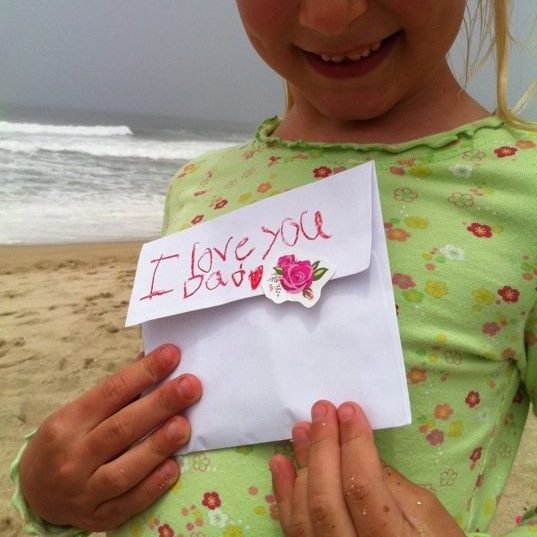
Half Moon Bay, California Father's Day 2011
Grief Rituals
Finding ways to honor our loved ones in ritual
My late husband’s birthday is near Father’s Day. It makes for a difficult month, especially as his death anniversary is at the beginning of July. I’m not certain a year will ever go by that Father’s Day will be ordinary, or Bob's birthday, or the anniversary of his passing. What used to be my favorite month of the year – the official beginning of summer, also my birthday month - has become one of the most challenging.
Having children, widowhood brought a layer of duty to me, to find ways of honoring my late husband so that my girls had a place to express and process their emotions and thoughts about his death.
Notes To Daddy
The first family ritual we did was to write letters to Daddy and launch them into the ocean. The youngest was only able to scribble, but each girl poured out from their little hearts so much love into those letters. Our favorite beach was at Half Moon Bay south of San Francisco, and it was there that this ritual began.
The next year we lived farther north and went to Ocean Shores, Washington with our notes. If you’ve ever come to the beaches in Washington, you will understand why so many places nearby sell kites. The winds can be strong! That first year, all the notes we tossed sailed back to us and then some, turning a somber moment into one of hilarity. It felt like a Bob Wink kind of moment.
The next few years, instead of going to the ocean, the girls and I attended a grief retreat in Seabeck, Washington in the beginning of June. It was close to Father’s Day but separated our ritual from the Father’s Day date. The retreat facilitators asked my girls to write their notes to Daddy on biodegradable helium balloons that were released upward to Heaven. The ritual was surrounded by hours of play with other kids who lost their parents and this was a layer of helpful to the girls. They didn’t feel quite so alone with their experience – other kids understood.
Recipe For A Grief Ritual
Grief rituals can give us a moment that allows our hearts to be open to the duality of grief: the bitter and the sweet. Opportunities that are intentional and symbolic help us process loss while also honor the continued connection with our loved ones.
Rituals can be formal. Religious tributes, such as the remembrance of those who have passed read aloud at Catholic Mass during the intentions, can be powerful acknowledgements of the deceased. Rituals can be cultural, such as displaying pictures on a home altar. Rituals can also be private or personal. For example, on special family occasions I wear my wedding ring to represent the presence of my late husband. Some people cook a special dish during a holiday gathering because that was their loved one’s favorite.
When creating a grief ritual, think of what can bring you to a place of appreciation for your loved one. Rituals help us transform emotions into something tangible. Neatening the area up around a grave marker or placing flowers there can be a way to reconnect, honor and bring us to a place where we can be open to the deep emotions of the loss. Typically, rituals have a specific beginning, middle, and end. They can be ones that repeat year after year or be singular. You can infuse your creativity, your personal meaning and punctuate the wonderful that your loved one brought to your life.
Three Main Kinds Of Rituals
Honoring rituals focus on celebrating the life and legacy of your loved one. Examples include creating an altar, planting a tree, or sharing a favorite meal.
Letting go rituals are designed to release painful emotions or transition away from the immediate intensity of loss. Writing letters and then burning or burying them or ceremonially giving away a cherished item are examples of letting go rituals.
Self-transformation rituals aim at helping integrate the loss into their new reality and look toward the future. They are reflective of growth, meaning making and personal change. Creating a scholarship in honor of your loved one, walking for a charity that your loved one supported or benefited from, or making a quilt out of their clothing are examples.
The Evolution of Rituals
It’s been over 15 years since Bob passed. Only one of my daughters remembers him. To the others, he is a legend. When the Notes to Daddy ritual faded away, I initially felt very guilty about that. I don’t remember when I stopped asking them if they wanted to go. I let them lead me, taking cues from their behaviors about where they were on their grief journeys. It wasn’t reflective of our love diminishing, but more so of the “acceptance” of the loss. Bringing it to my girls’ attention felt like I would be keeping a wound open that was in a latter stage of healing. Intuition led the decision.
The year Bob’s employer stopped The Bob McGuire Annual Golf Tournament made me sad, too. Although I knew it wasn’t true, I was afraid that Bob’s importance had diminished, that people moved on and forgot him. I was afraid that Bob’s essence was fading. To know Bob was to love him and just as he was significant to me, I reassured myself that there was no way they’d forget him.
You may come to discover that it’s time to change or drop your ritual. If you feel dread or anxiety leading up to the ritual rather than a sense of meaningful preparation, reflect on what is coming up for you in those moments. Does the ritual feel like a performance for others rather than a personal act of healing? Perhaps you find yourself wanting to try something new or fresh that reflects the person you have become since the loss. There’s no right or wrong.
Grief evolves for everyone. What you needed in the first year of acute shock is likely different from what you need years later. A ritual that helped you survive the first anniversary might feel too heavy or like it’s keeping you stuck as you move toward integration and transformation.
The same ritual can lose meaning. For some, repeating the exact same act every year creates a sense of predictability and comfort. For others, it can become a hollow chore that no longer sparks a genuine connection or emotional release.
As life changes, so does our relationship with our grief. New relationships, moving to a new home, or changing family dynamics naturally alter how you mark time and honor memories. Give yourself permission to do things differently and the grace to place certain rituals on hold if you're not up to them. Skipping a ritual does not mean you love the person any less.
The reality is that our grief evolves and the rituals we needed at some point may not be as impactful. And that is ok. While rituals are a powerful tool for transformation, they are just one thread in the complex tapestry that is our lives. Rest assured: there are countless ways beyond rituals that our loved ones continue to live on in us.
Disclaimer: This article is for informational purposes only. If you are interested in discussing how to honor your loved one with ritual or the evolution of your grief experience, please contact me to set up an appointment. You are not alone.
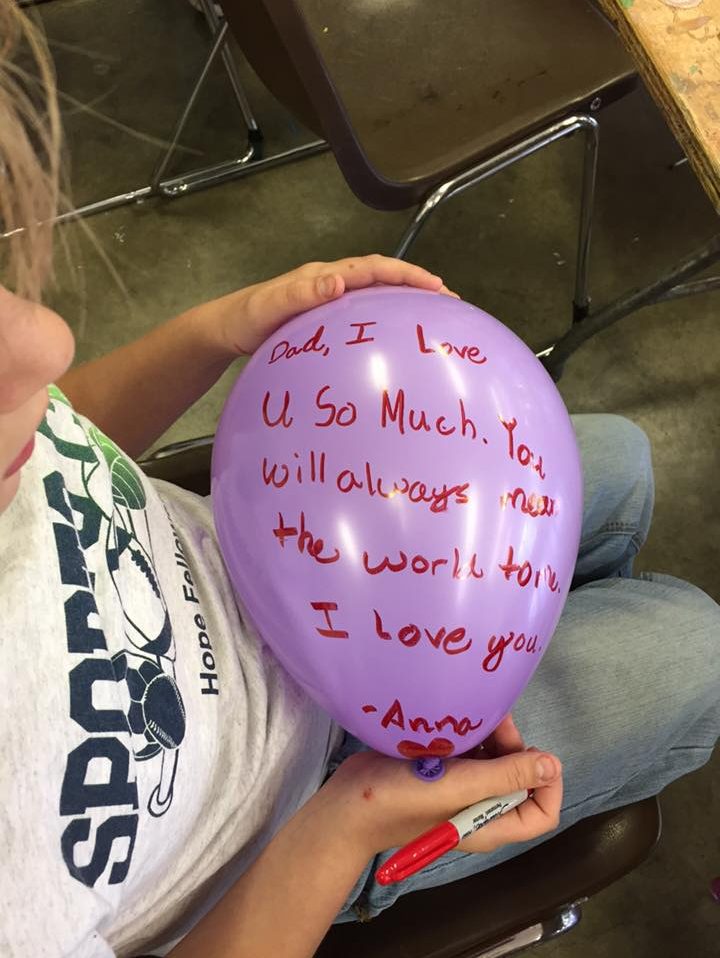
Seabeck, Washington June 2015